


Lion’s Cave Hike
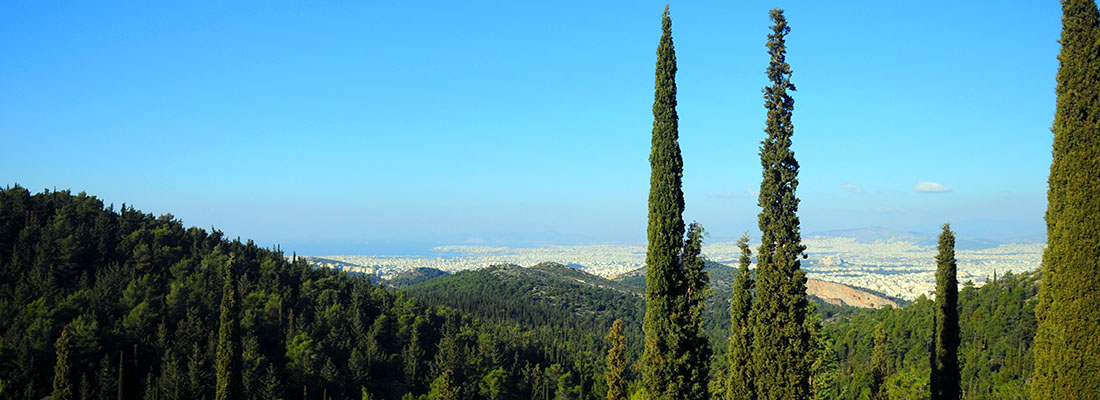
Mt. Hymittos, with its famous thyme-scented honey, is a natural playground for Athenians and Attika hikers — old and young, families and singles, mostly locals, not many foreigners. The mountain offers a shady retreat of pine trees, cypresses, firs, poplars, citrus trees, eucalyptus and oaks. You often find older Greeks picking horta, a wild edible spinach-like plant.
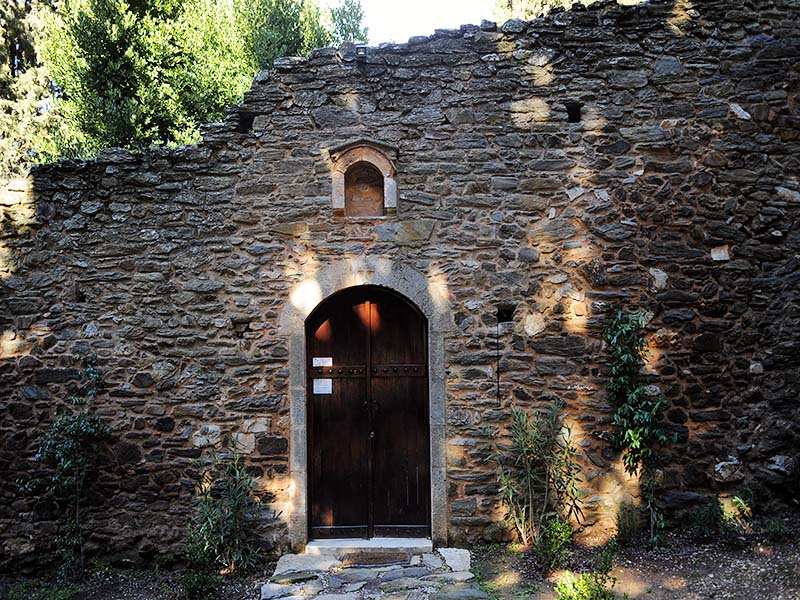
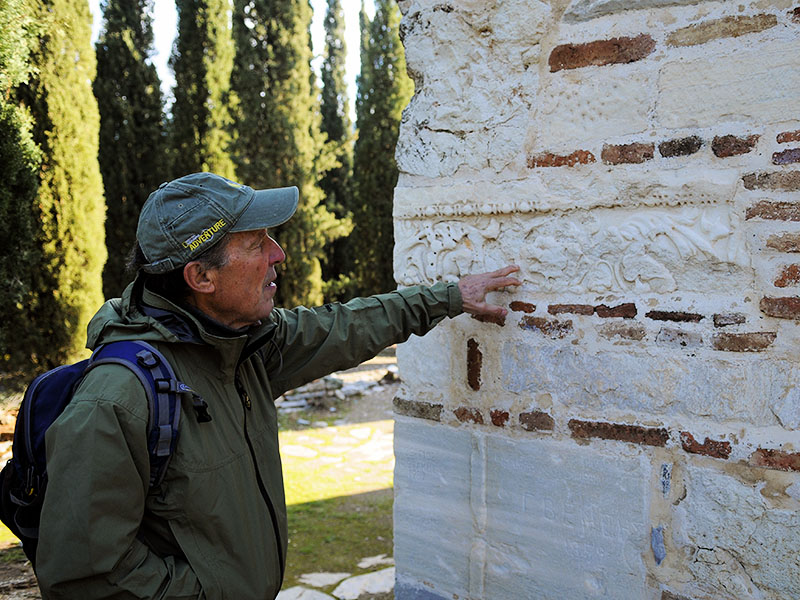
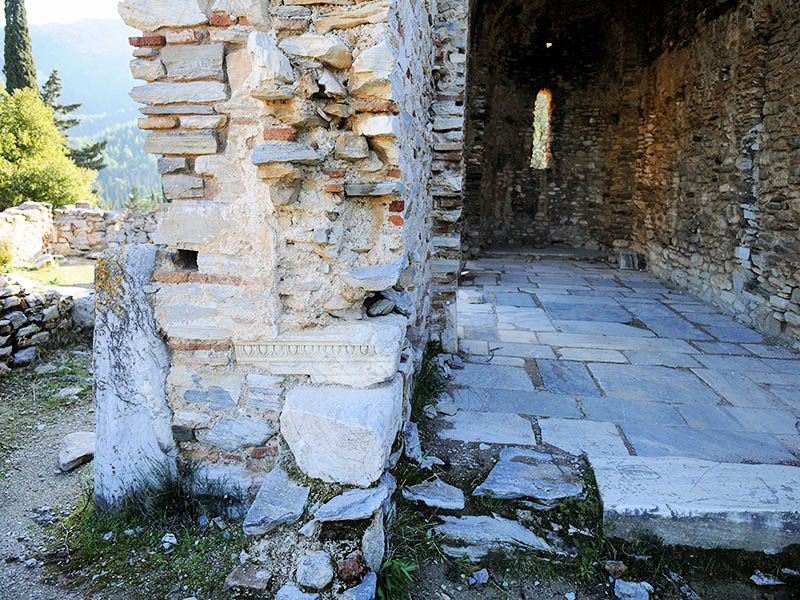
The hike begins at Kaisariani Monastery, dating from the 11th century A.D., but built atop many earlier religious structures, including an ancient Aphrodite Temple. The interior of the church is adorned with murals of the 16th and 17th centuries. During its prosperous years, it was a major cultural center with a rich library and its priests were the spiritual leaders of the time. When Athens fell to the Ottomans, it was at Kaisariani where the keys to the city were turned over to the Turkish Sultan. The church is not open daily but even its exterior is worth admiring.
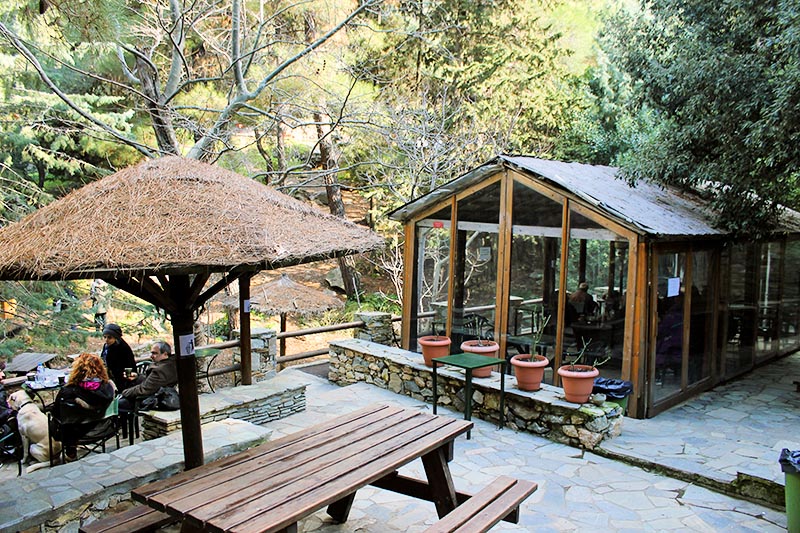
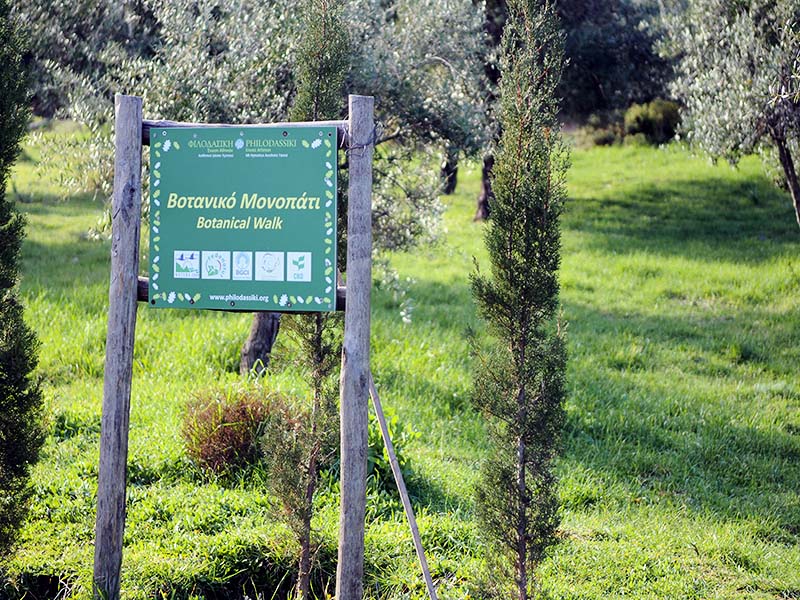
From Kaisariani, you set off on a path that takes you through the Botanical Garden showcasing over 200 different species of plants found in Greece. Elementary school children have labeled some of the plants and trees with colorful signage. Although the signs are in Greek, your hiking guide identifies the various flora for you. The Botanical Garden ends at Kalopoula cafe, a lunch spot where nearby many Greek refugees settled after the 1920s eviction from Turkey. The cafe reflects the special cuisine of the Greeks who lived in Turkey. Across the road from the cafe is a church with a fountain to fill up your water bottle with delicious fresh mountain water.
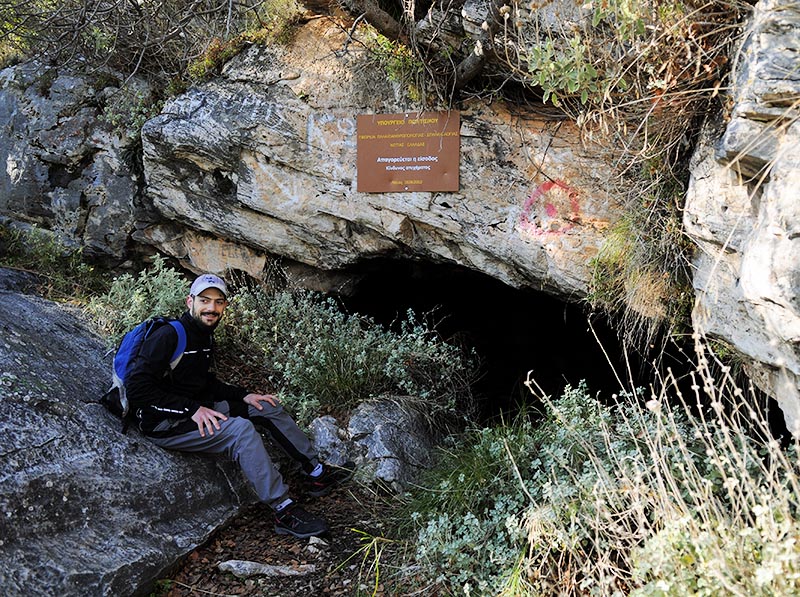
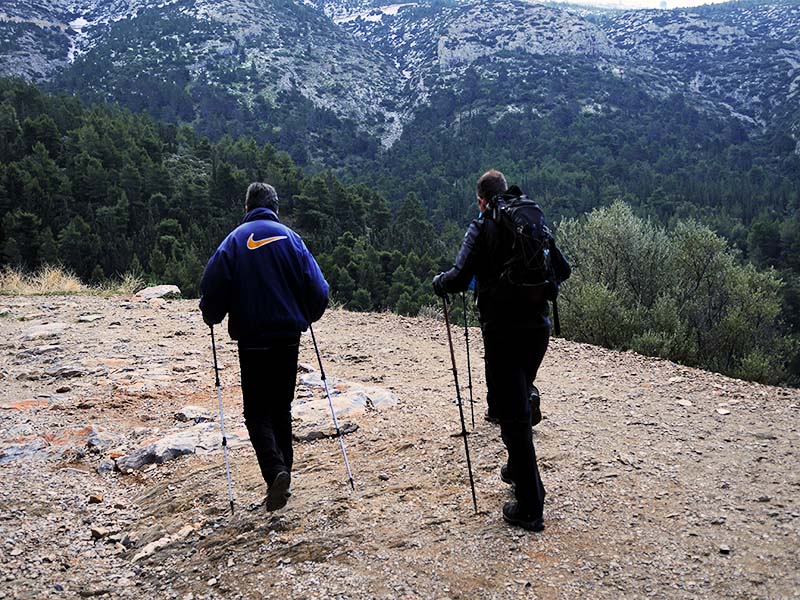
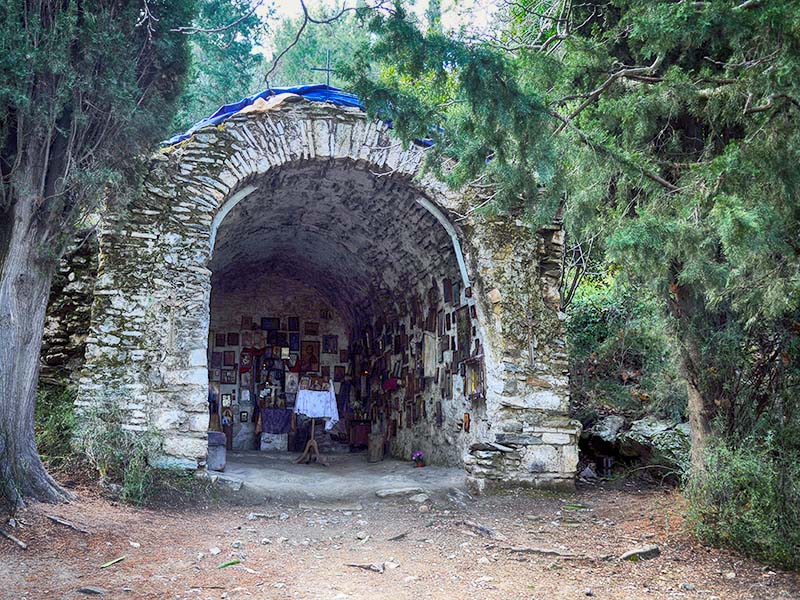
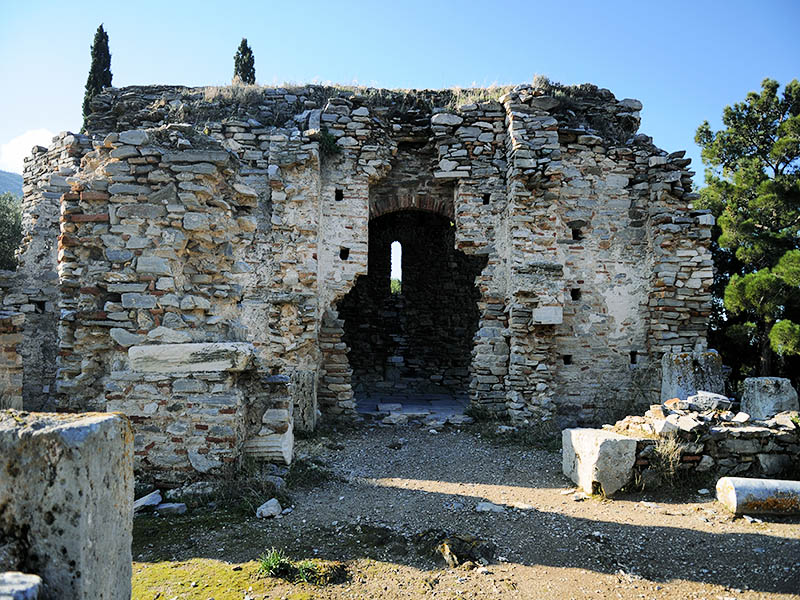
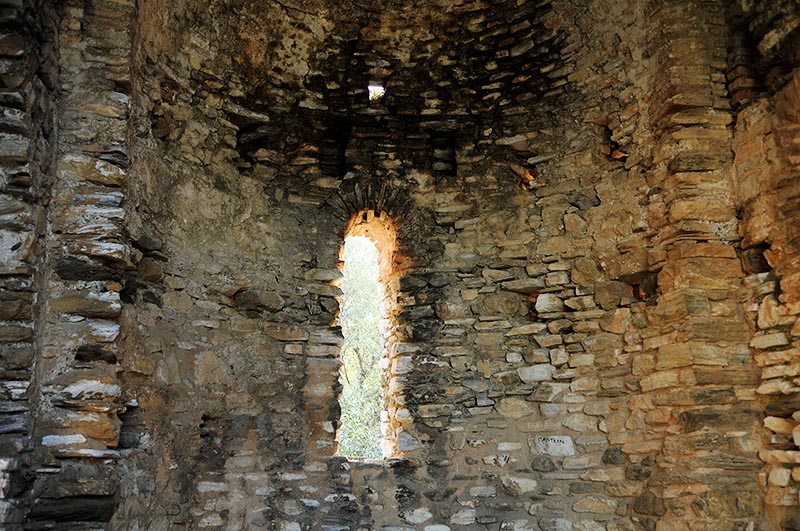
After lunch you have a short vehicle transfer to the trail head for Lions Cave. En route to the cave, you pass several charming churches, including St. Mark’s Basilica (Hagios Markos) built in the Frankish era (1200-1450 AD) when European Catholics occupied Greece. This was the original site for Kaisariani Monastery and is known as Cemetery of the Holy Fathers. The hike (which is a loop hike) continues on a dirt trail to reach Lions Cave, elevation 400 meters (1312 feet).
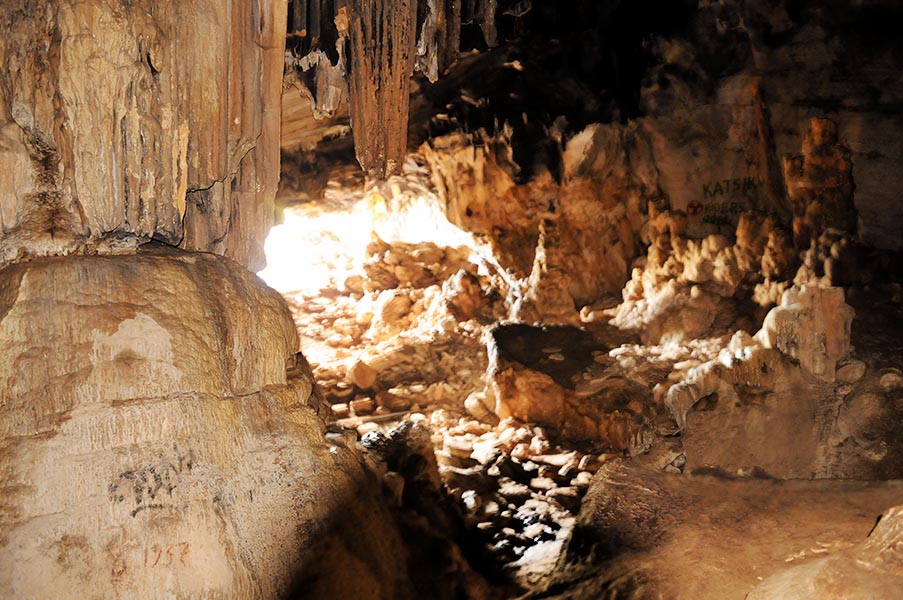
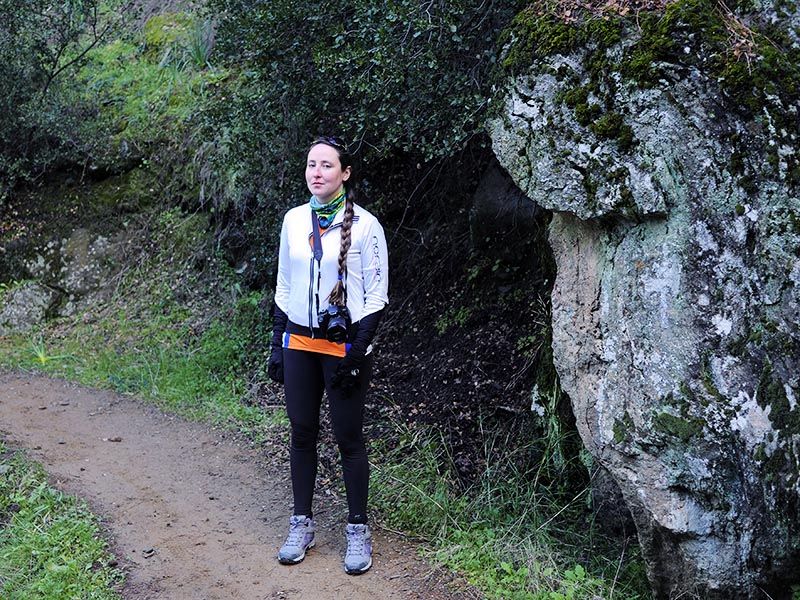
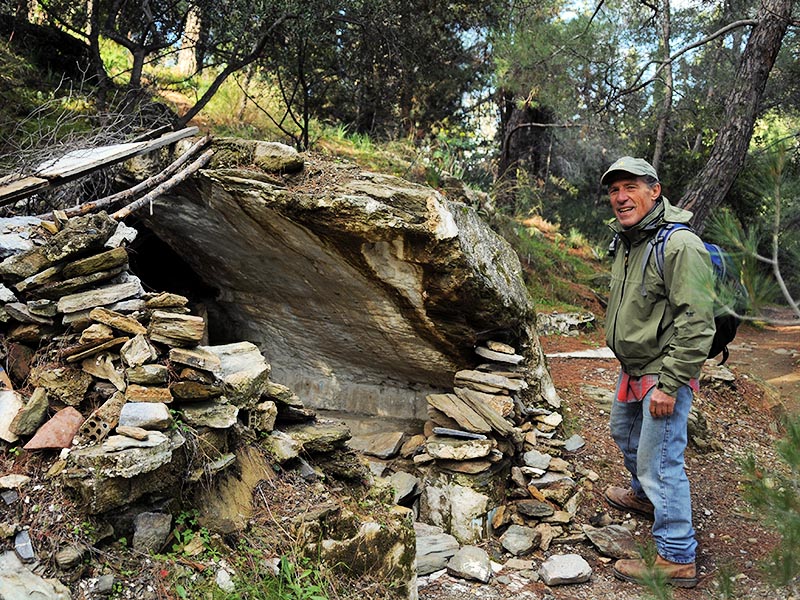
According to legend, Lion’s Cave was home to a huge menacing lion whom St. Nikolaos slayed in front of the St. Nikolaos Church in nearby Kantza town. Today there is a 6th century marble lion statue in front of Kantza’s church. It is said that a lion’s bones were found in the cave amidst the massive stalactites and stalagmites. You won’t see any bones these days but pass through the cave’s narrow entry and soon you will be inside where the stalactites and stalagmites are a delight to behold.
HIKE ITINERARY
Tour pick-up at 09:00 and drop-off at 15:00-15:30 is at lower side of Syntagma Square (Ermou Street) in central Athens. See map on right side.
- Vehicle transfer from Syntagma Square to Hymettos Mountain (20-30 minutes)
- Start hike at Kaisariani Monastery, path goes through Botanical Garden, ends at Kalopoula cafe, Total mileage 4.12 kilometers (2.57 miles)
- Lunch at Kalopoula cafe
- Vehicle transfer to trail head to path to Lions Cave (10 minutes)
- Hike a loop path to Lions Cave, total mileage 4.80 kilometers (3.00 miles
- Vehicle transfer back to Syntagma Square, Athens
HIKE INCLUSIONS
- Vehicle transfers between Syntagma Square, Athens and Mt. Hymettos
- Hiking guide
- Lunch at Kalopoula cafe in Hymettos
HIKE NOTES
Bring a water bottle to fill up at a fountain in Hymettos park.
Wear sturdy shoes. The paths are plain dirt trails with no technical difficulties.
Bring sun hat, sun glasses and sun protection.
BOTANICAL HIKE Distance/Elevation Profile
LIONS CAVE LOOP HIKE Distance/Elevation Profile


HIGHLIGHTS
- With the guide's flashlight, peek into the mouth of Lion's Cave
- Enjoy a spinach pie (spanikopita) for lunch in the midst of the woods
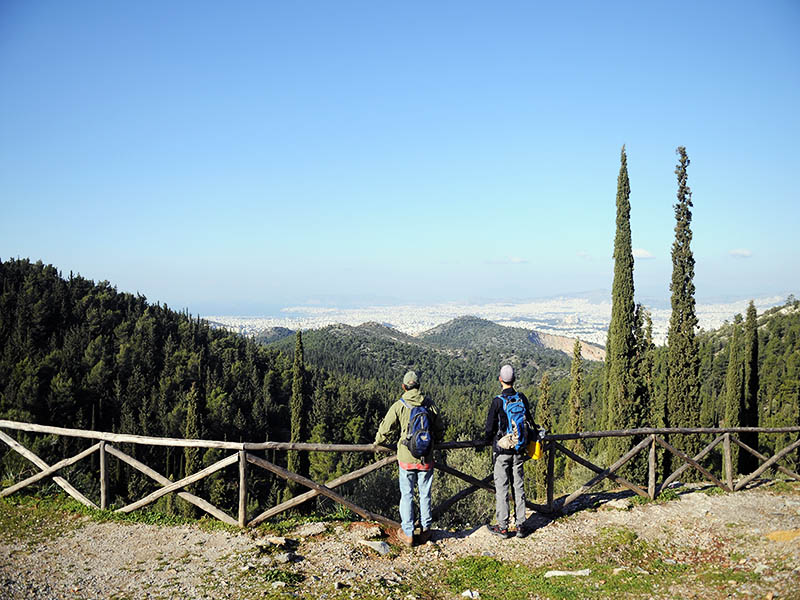
- Marvel at the panoramic green splendor atop Imitos Mountain
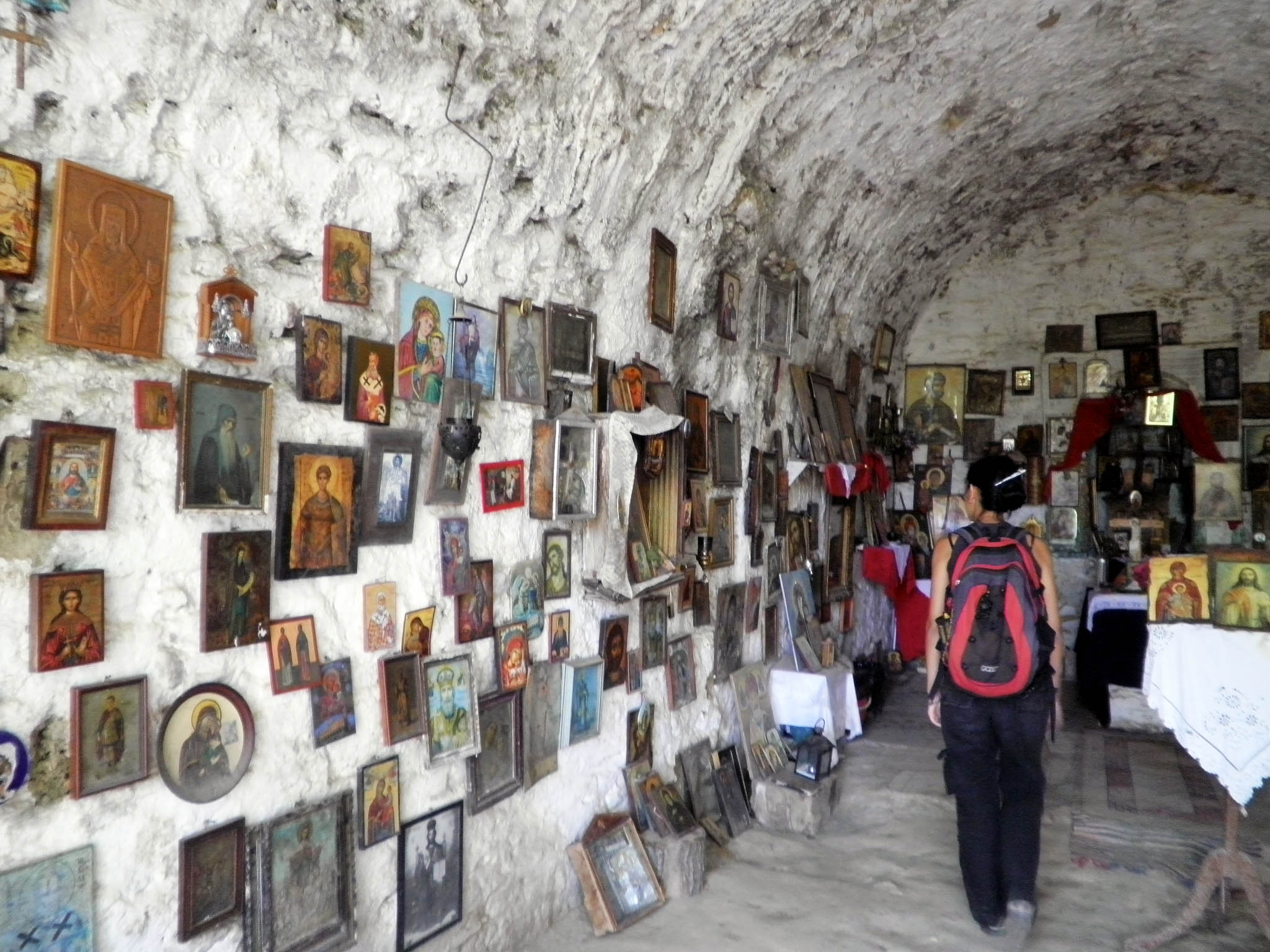
- Light a candle in an archaic church and make a wish
- Hike dirt paths forbidden and inaccessible to motor vehicles.
TAKE NOTE
- 6 hour tour
- Hiking guide
- Lunch included
- Teen friendly
ECO ASPECTS
- hiking in pure nature
- fill up water bottle from natural springs
- special Greek food for lunch
ATHENS MEETING POINT FOR TRANSFERS 
LOCATION OF HYMETTOS AND ATHENS

RESERVE THIS TOUR
Reservations Required.
- Email: info@ecoathens.gr
- Phone: +30 210-921-8160
- Live Chat: availability, 8:00 am to 10:00 pm Greece time, GMT + 2


