


Democracy Walking Tour
Democracy was one of Greece’s major contributions to Western Civilization, and Athens is where the seeds of its theory and practice took root. Every adult male was expected to participate in democracy and those who ignored this duty were not considered citizens but were looked down on as self-centered, concerned only with their private life. The word for a private individual in ancient Greek was idiotes, or an idiot!
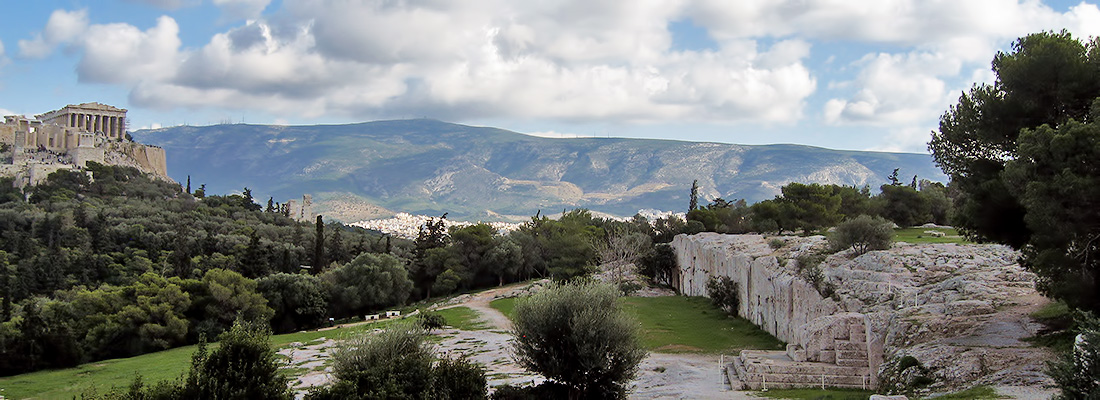
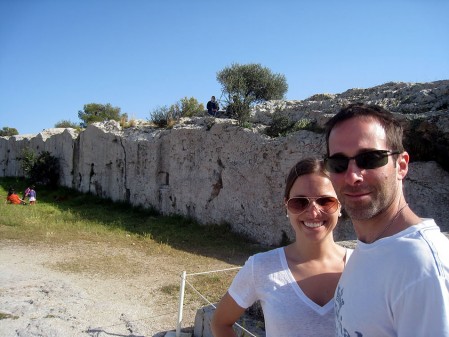
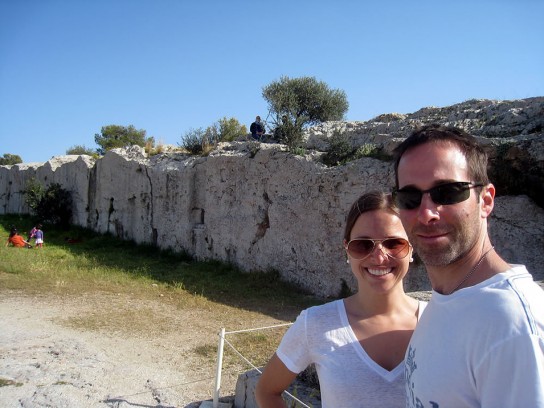
One of the highlights of the Democracy Walking Tour is the Pnyx lying in a park on a small rocky hill directly opposite and at roughly the same elevation as the Acropolis. In this big open field is where Athenians gathered as early as 500 BC to form popular assemblies. This small area held from 6,000 to 13,000 men which is why it is called Pnyx, Greek for “tightly packed together.” The Pnyx manifested the new principle isegoria meaning “equal speech” because every citizen had the equal right to debate matters of policy.
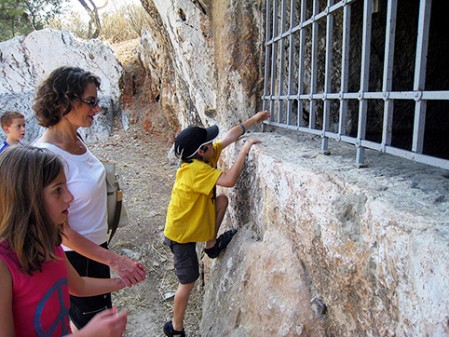
Another tour highlight is Thucydides tomb. He is called the Father of Military History due to his writings on the Peloponnese War which are still studied in military academies to this day. He sought to understand human nature for why humans behaved as they did during a crisis, such as civil war, plagues and massacres — instead of looking to the gods as an explanation for everything. Buried along side Thucydides was Kimon whose son General Miltiades led the spectacular defeat of the Persians at the Battle of Marathon which is the event that truly gave Athenians the confidence to create new ideas in the fields of politics (democracy), drama, mathematics, medicine, law, art.
Other points on the tour relate to the struggle for democracy in later periods of Greece’s history, such as, the Greek Revolution of the 1820s, events related to WWII and even contemporary Greek politics.
HALF DAY ITINERARY
Start point of tour is Monastiraki Square. End point of tour is Acropolis pedestrian walkway where it meets Amalia Street. See map on right side.
- 09:00 Tour beings at Monastiraki Square
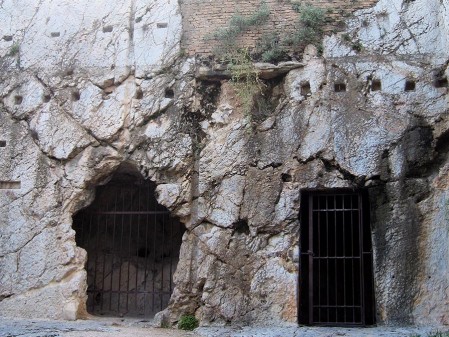
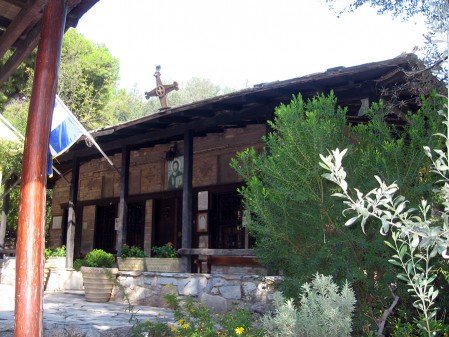
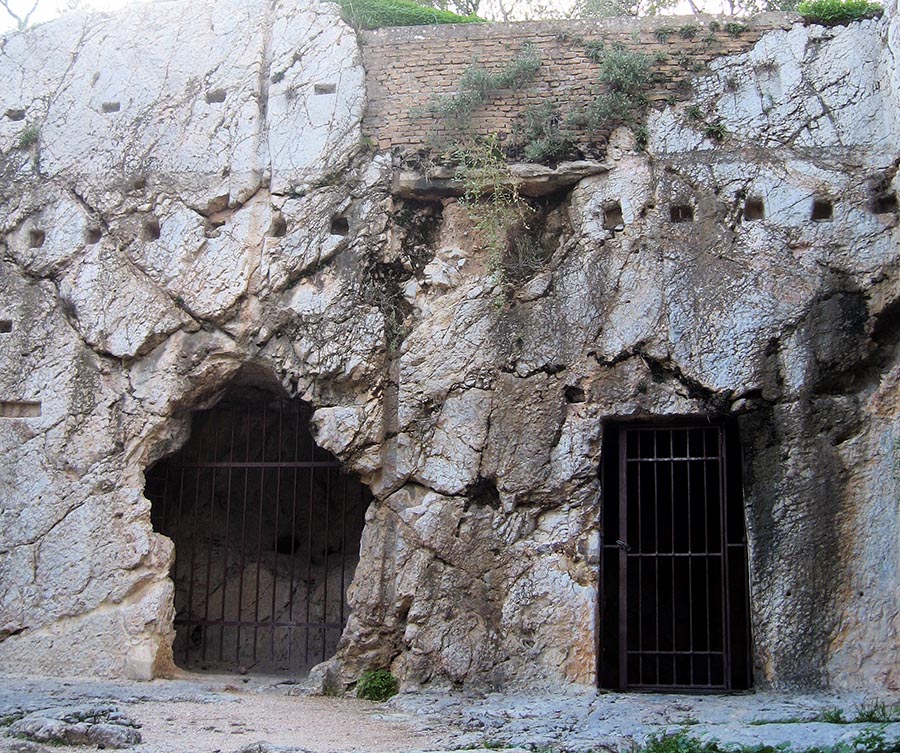
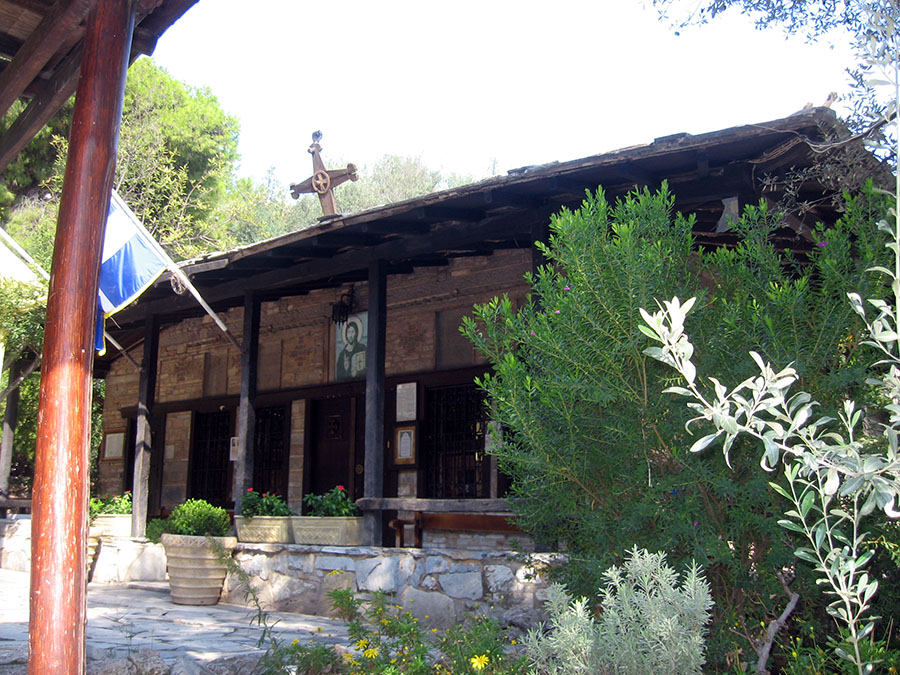
- Casual walking to fifteen points of interest, including the Pnyx where democracy was born, the Greek Agora, the Vouli or first Parliament, Themostokleis Wall, Socrates Prison, Hadrian’s Library, Byzantine church, St. Paul’s Rock also known as Areopagos which as Athens first courthouse.
- 12:00 Tour ends at Acropolis pedestrian walkway where it meets Amalia Street
HALF DAY INCLUSIONS
- Professional licensed guide
- Entry fees to Greek Agora
FULL DAY ITINERARY
Start point of tour is Monastiraki Square. End point of tour is Acropolis pedestrian walkway where it meets Amalia Street. See map on right side.
- 09:00 Tour beings at Monastiraki Square
- Walk to fifteen points of interest, including the Pnyx where democracy was born, the Greek Agora, the Vouli or first Parliament, Themostokleis Wall, Socrates Prison, Hadrian’s Library, Byzantine church, St. Paul’s Rock also known as Areopagos which as Athens first courthouse.
- 12:00 – 13:00 lunch at outdoor taverna in the Plaka
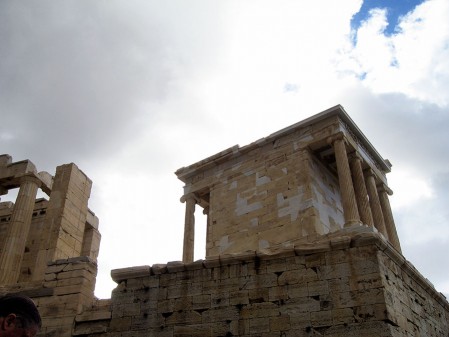
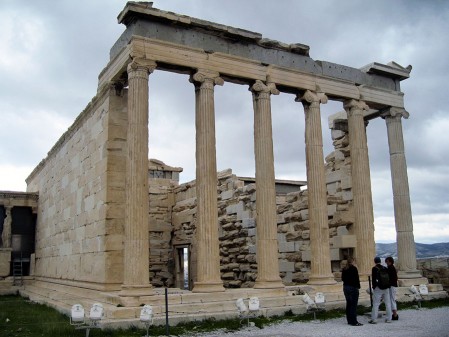
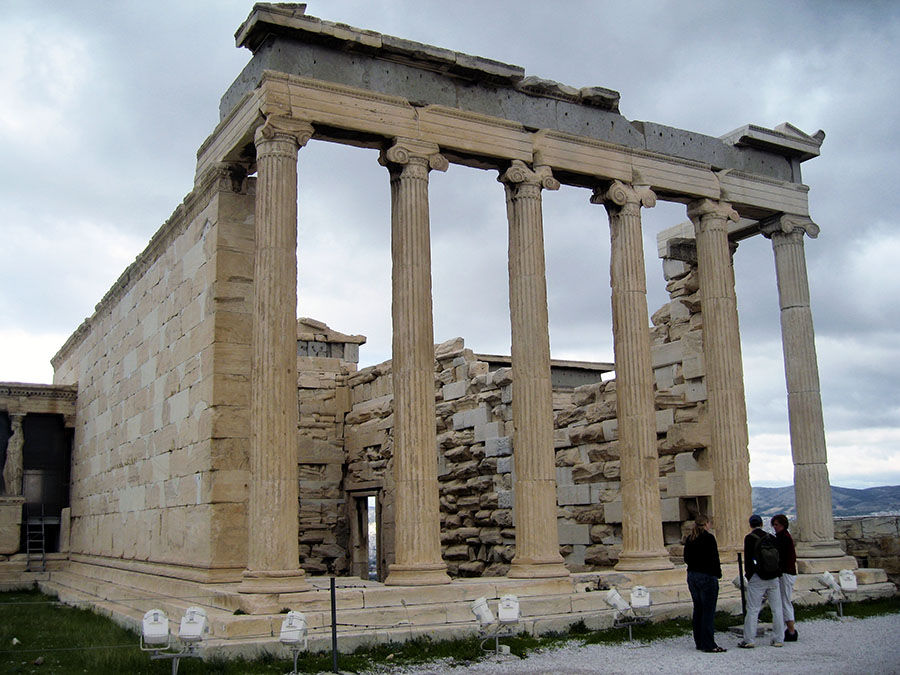
- 13:00 – 16:00 Option #1 A professional licensed guide escorts guests up to the Acropolis to explore the Parthenon and Erecthion with a lively presentation of the history of Greece’s most famous World Heritage Site. (see Museum map)
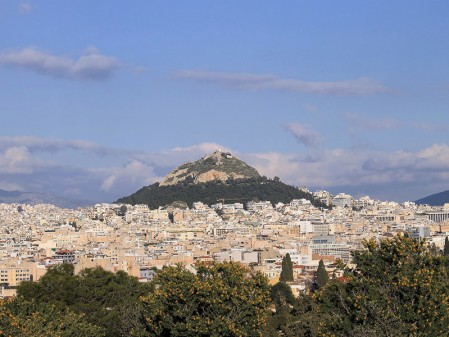
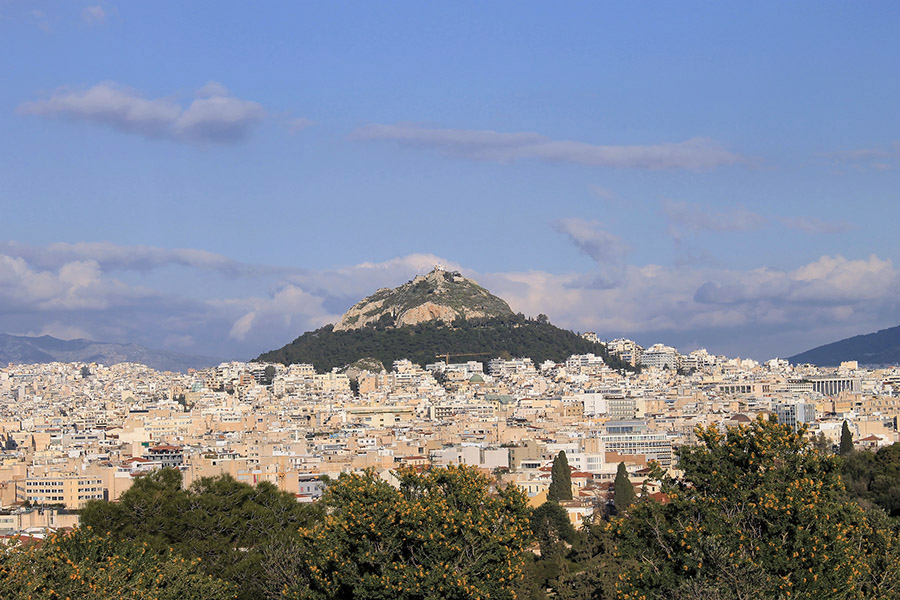
- 13:00 – 16:00 Option #2 vehicle transfer to Kolonaki. 20 minute hike or take cable car to Lycabettus, 276m 908 feet above sea level, the highest point in Athens, offering stupendous views of the city. (see Lycabettus map) Enjoy a beverage at the cafe. Tour ends at Acropolis Walkway where it meets Amalias Avenue. See map on right side.
FULL DAY INFO
Acropolis option: Participants must be able to walk to the Acropolis entry window and climb the steps to the top of the Acropolis, 20-30 minutes. The marble rocks are slippery, wear sensible shoes. Bring a hat for the sun – very little shade at the top.
Lycabettos option: The 20 minute walk to the top is on a clear path, ascending but not steep. Besides the cafe, there is also a chapel at the top. Bring a hat for the sun, very little shade at the top.
FULL DAY INCLUSIONS
Acropolis option: professional guide, entry fees to Acropolis and Acropolis Museum
Lycabettus option: vehicle transfer to/from Kolonaki (the foot of Lycabettus) from Plaka. Cable car fee or be escorted by company guide. Beverage at cafe atop Lycabettus
-
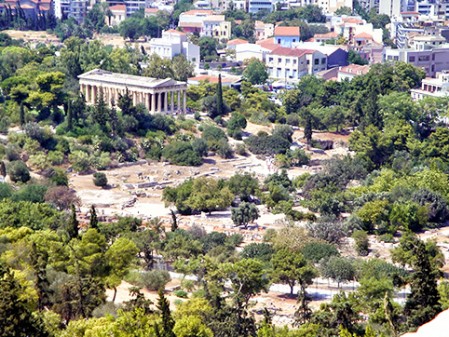
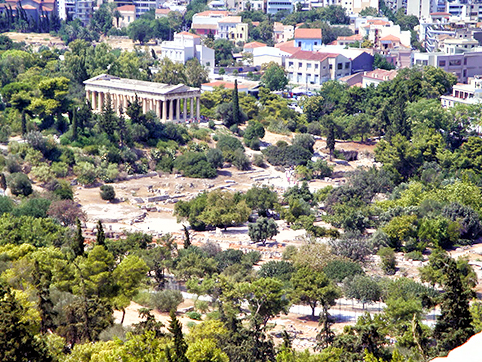
Temple of Hephestus in Greek Agora
-
Thucydides Tomb
-
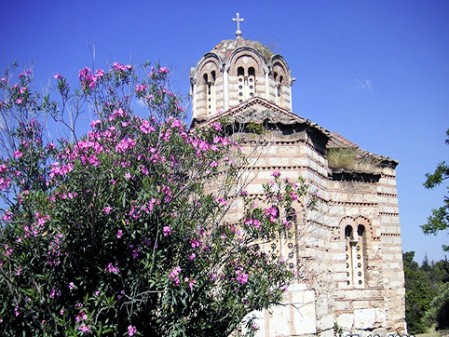
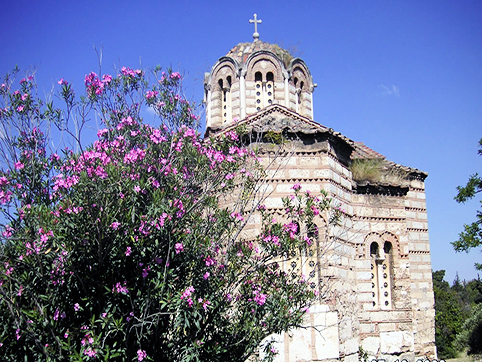
Holy Apostoles church inside Agora
-
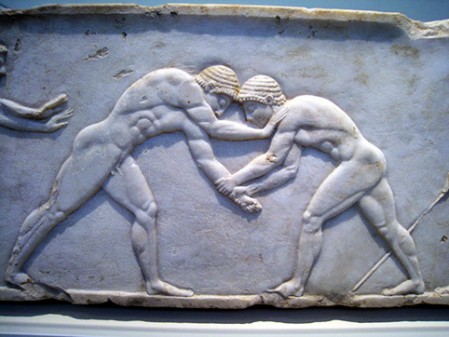
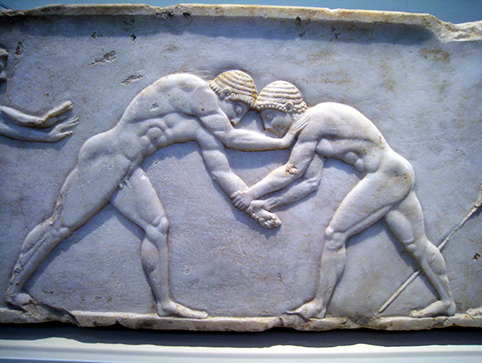
Athletes tomb, Keramikos
-
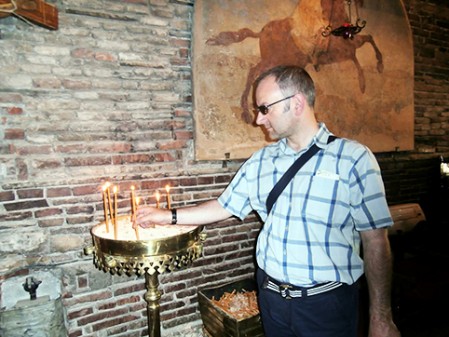
15th century Agios Dimitrios church
-
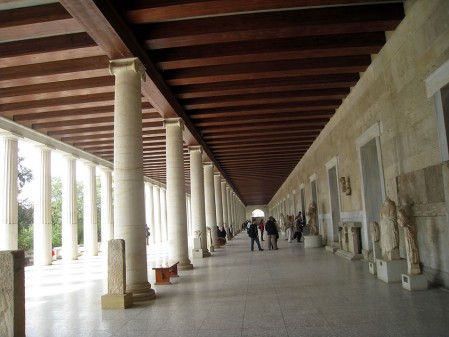
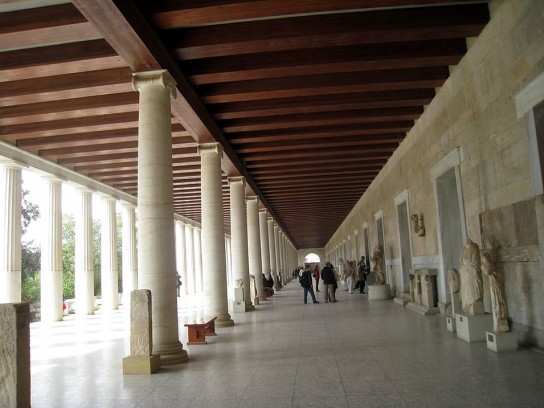
Greek Stoa
-
The Pnyx, home of Democracy
-
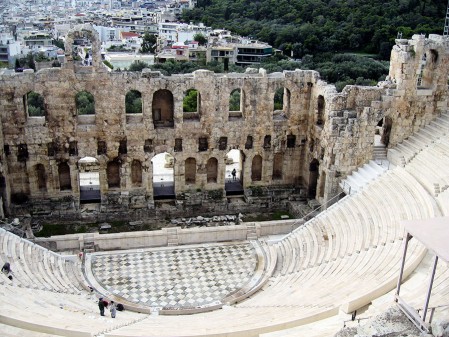
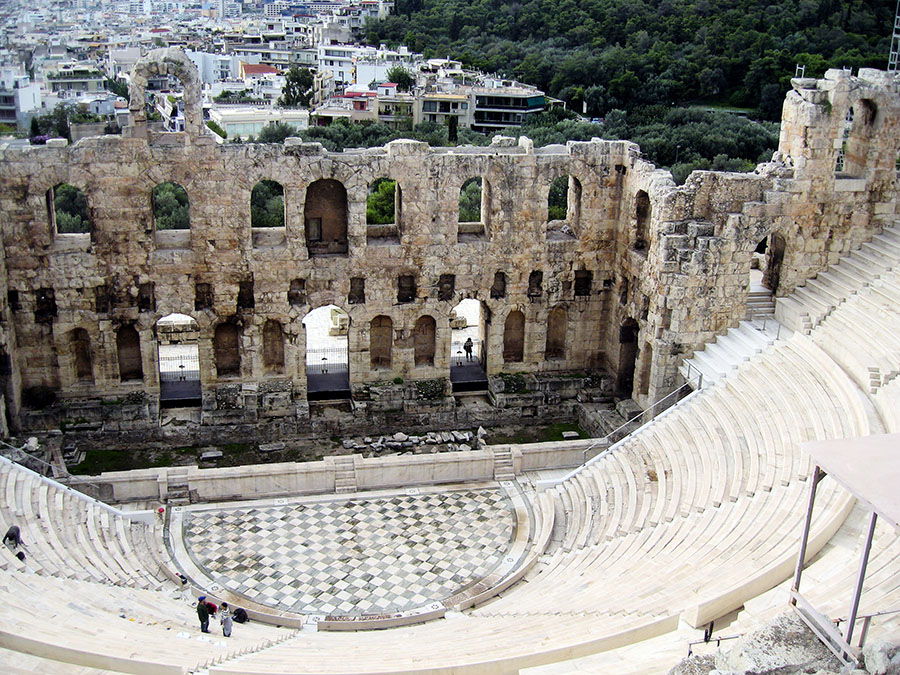
Odeon of Herodes Atticus
-
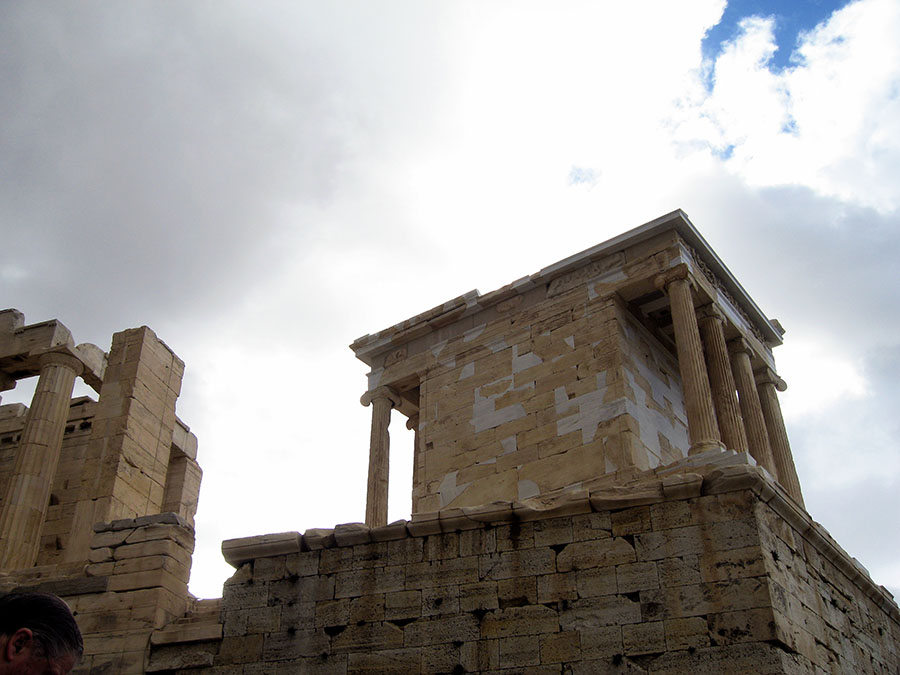
Acropolis
-
Acropolis
-
-
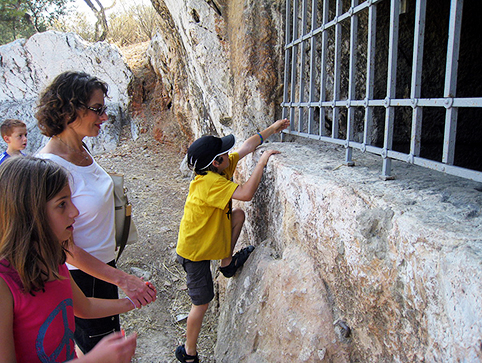
Socrates Prison
-
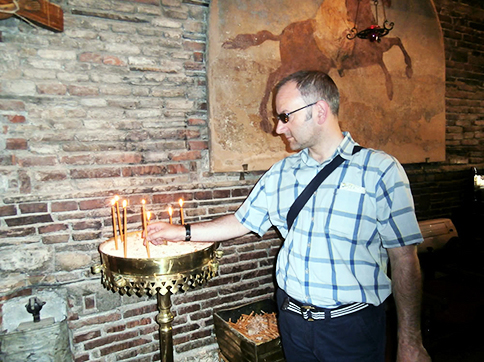
St. Dimitris Byzantine Church
-
view of Lycabettus from the Pnyx


HIGHLIGHTS
- The Pynx open field where democracy was born
- Tomb of Thucydides, historian of the Peloponnese Wars
- Socrates’ prison where the philosopher was held awaiting trial
- The Greek agora (market), site of the original Parliament
- Areopagos (War Hill), site of Athens’ first courthouse
TAKE NOTE
- Acropolis with full day
- casual walking
- half day or full day
- Lycabettus option
- Teen friendly
ECO ASPECTS
- Walking the tour
- Fill up water bottles at fountain from springs
- Lunch in family-run taverna with home cooked food
MAP OF START POINT AND ENDING POINTS
photo clicks open to new tab in Google Maps

RESERVE THIS TOUR
Reservations Required.
- Email: info@ecoathens.gr
- Phone: +30 210-921-8160
- Live Chat: availability, 8:00 am to 10:00 pm Greece time, GMT + 2


