


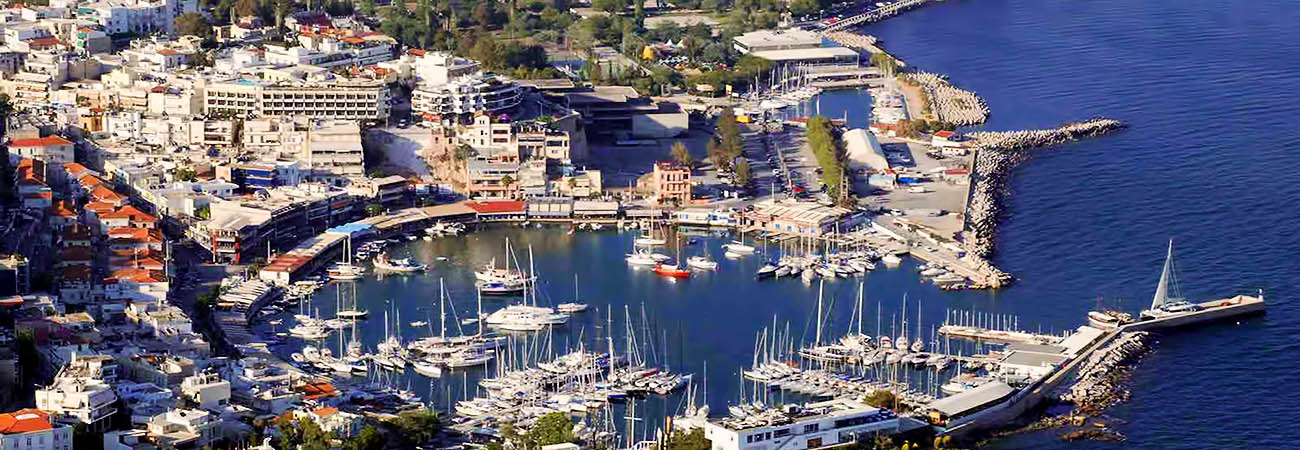
Piraeus Coast
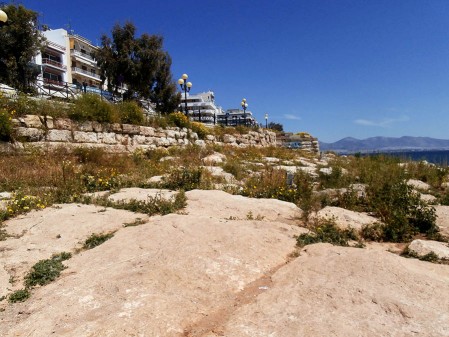
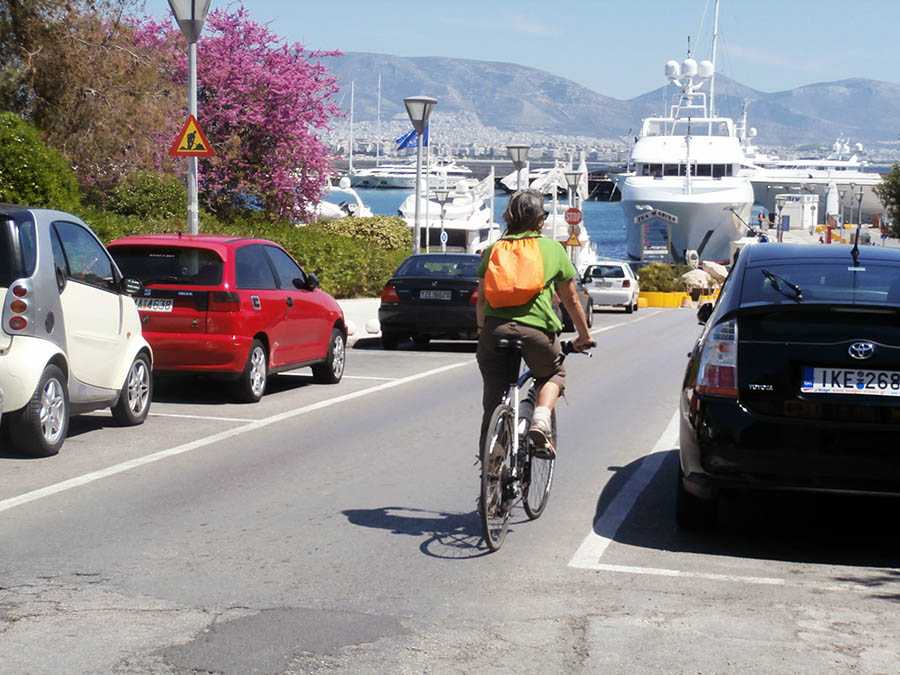
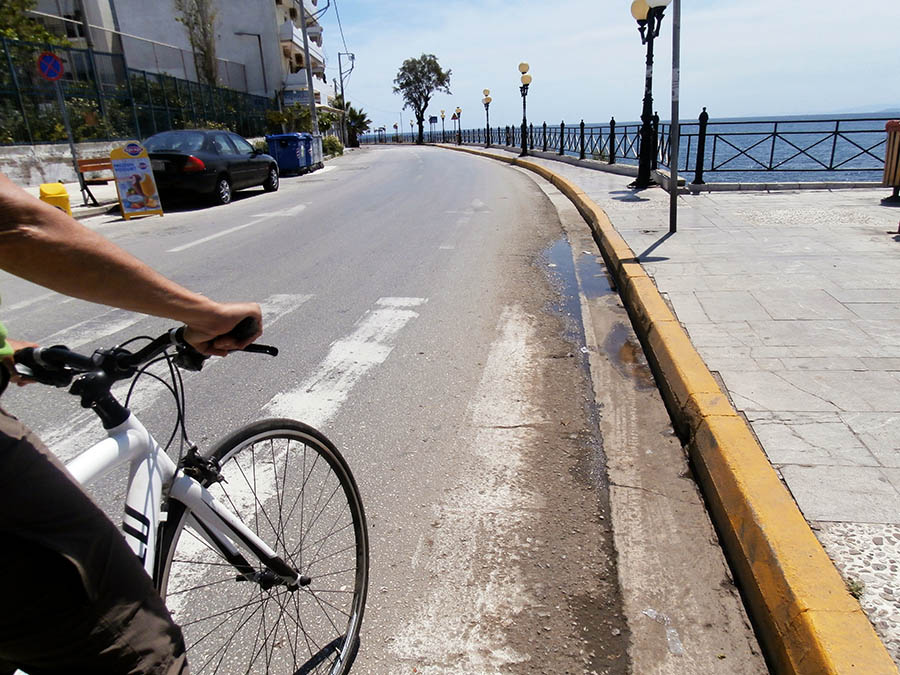
Piraeus was the mightiest sea port in all ancient Greece, yet few visitors to Athens explore this sea side city except to get on or off a ship. Traces of Piraeus’ glory days are visible throughout the nine kilometer bike ride (5.5 miles) along the Piraeus coastal road. Most important are the fortification walls, initiated by the populist General Themistocles, one of which protected travelers from the port all the way to the Acropolis in Athens.
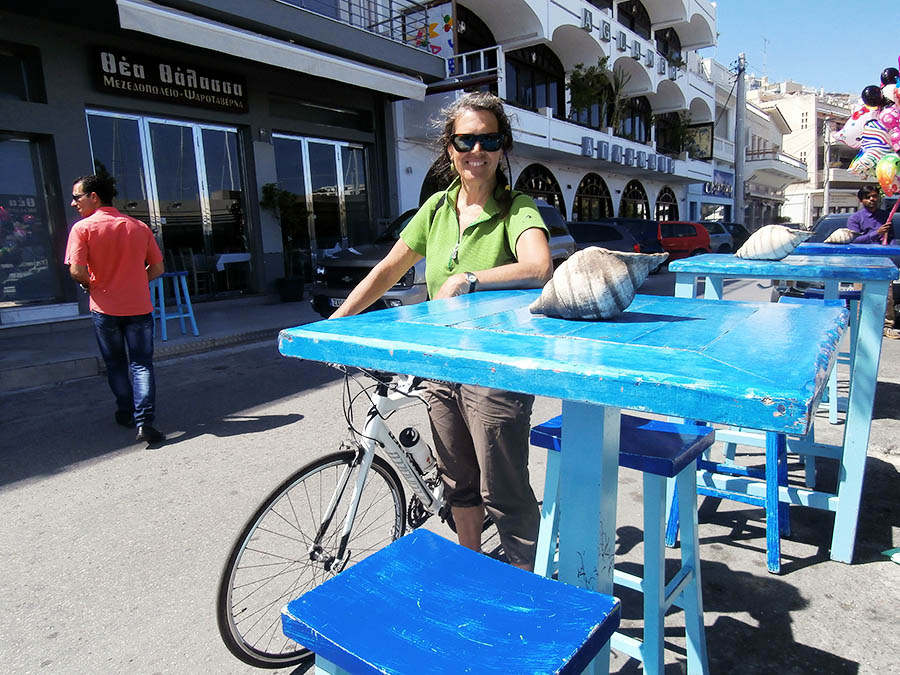
The bike tour stops several times for up to ten minutes at different points along the ancient walls to hear the bike guide explain Piraeus history and to take photographs. The bike tour makes two hour long stops, once at the distinguished Piraeus Archaeology Museum and another at Zea Marina a/k/a Pasa Limani.
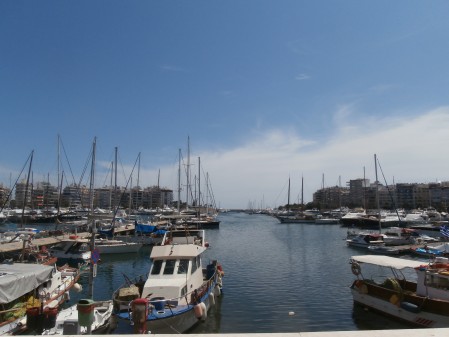
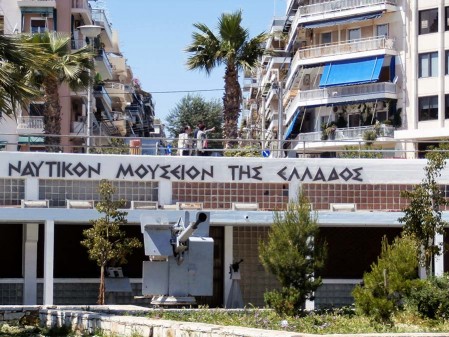
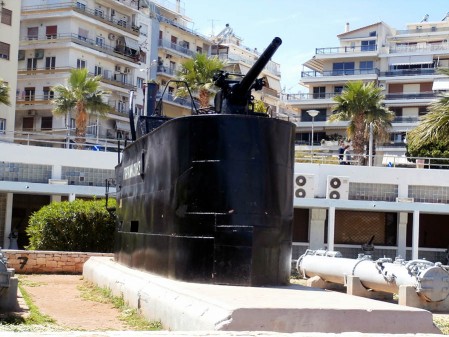
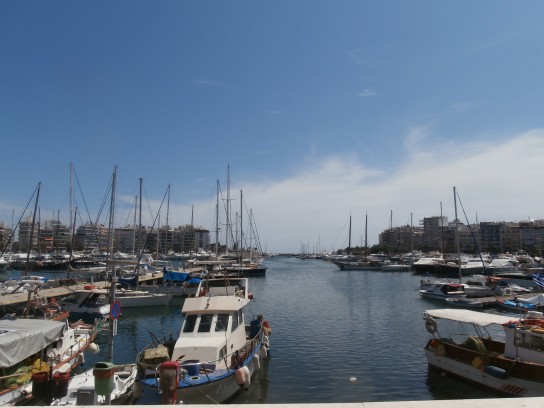
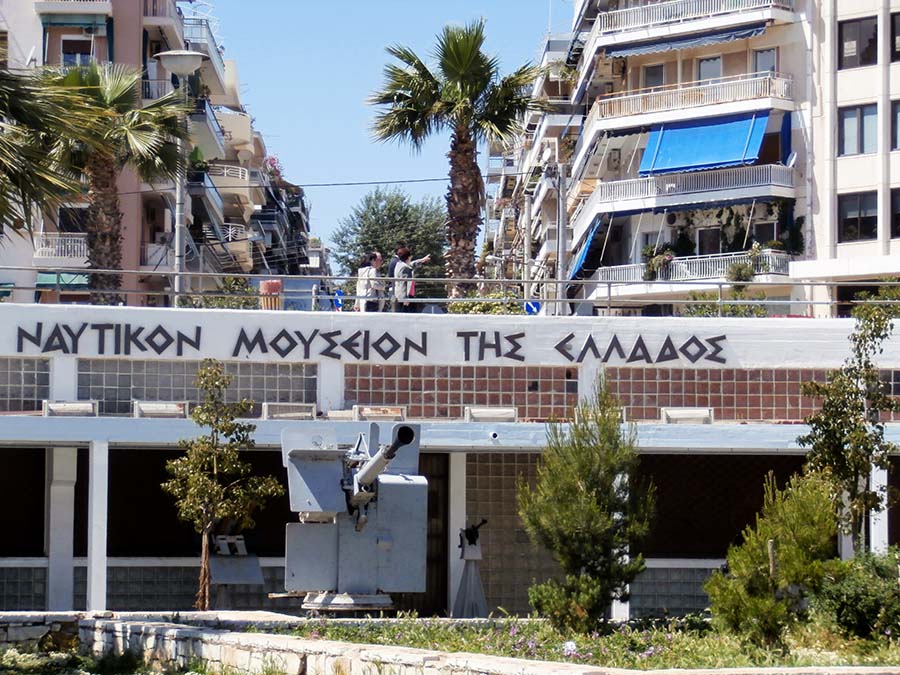
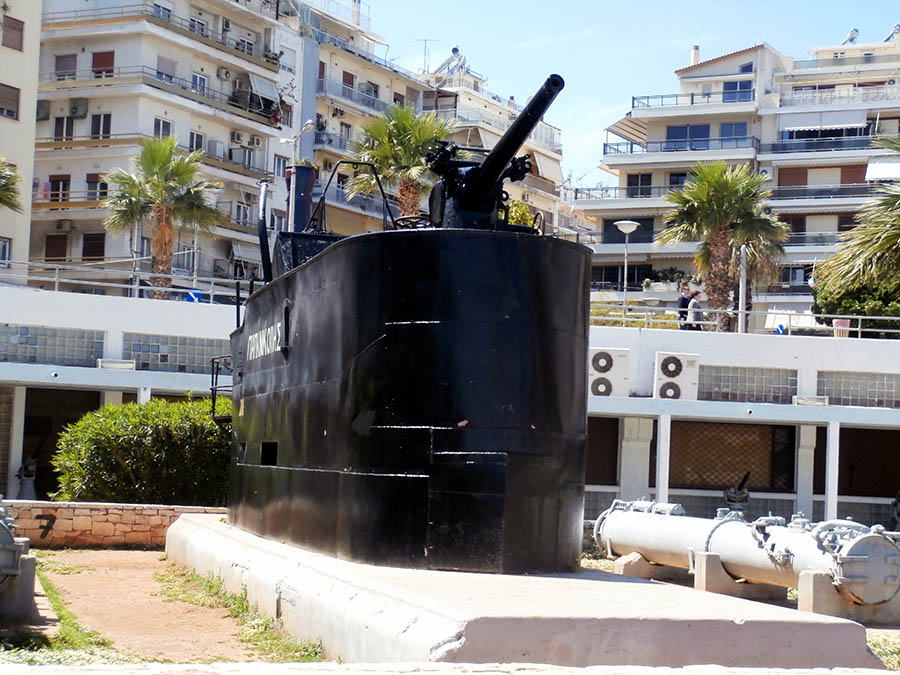
Zea Marina is one of the largest marinas in the Mediterranean and capable of accommodating superyachts. It has many shops, tavernas and cafes to service the yachting crowd. In ancient times up to 196 triremes (war ships) could dock here. In Zea Marina you visit the Hellenic Naval Museum and can see the World War II era Papanikolis Submarine.
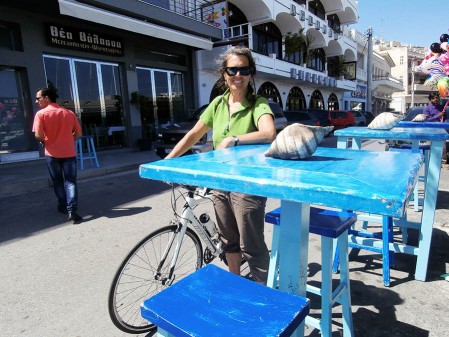
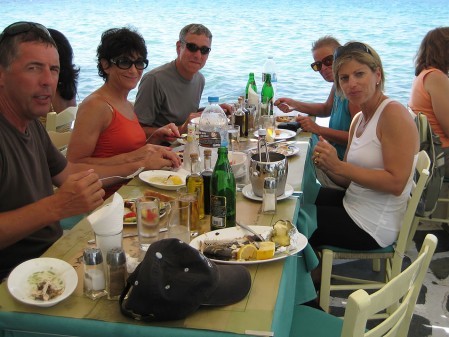
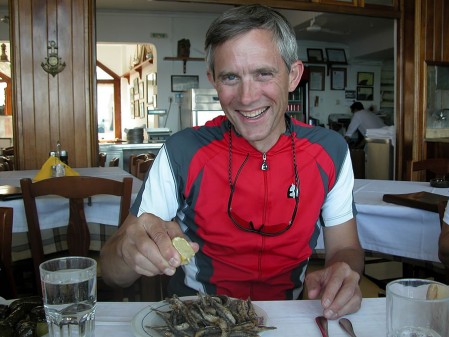
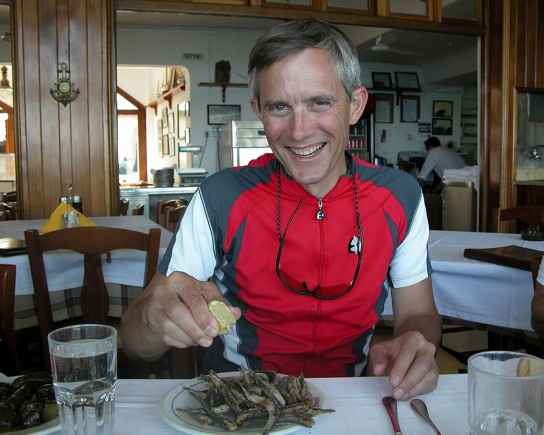
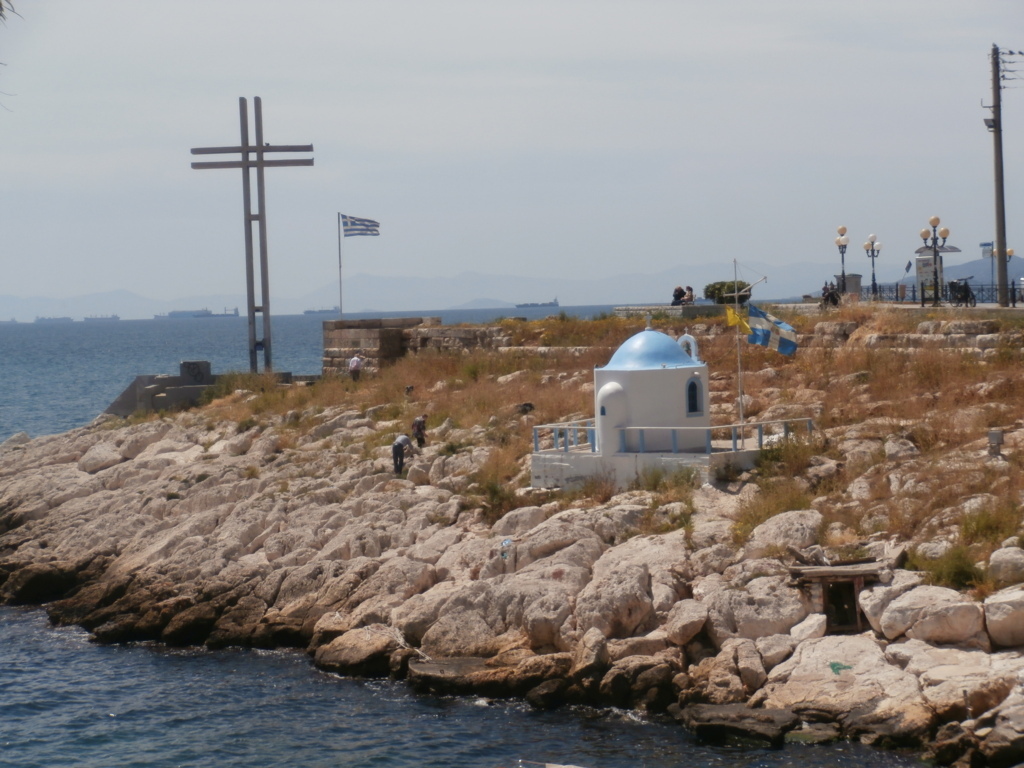
One of the most charming sites to dine in all Athens is at Mikro Limano (“little port”), said to be protected by the goddess Mounihia Aretimis. Here is where the bike tour ends at a fish taverna located right at a marina where yachts and fishing boats park.
TOUR ITINERARY
Tour meeting point is at 09:00 at Gate E12 (“Themistokles Terminal”) of Piraeus Port where the cruise ships dock. End point is Mikro Limano with a vehicle transfer back to where the cruise ships dock, arrive by 14:00. See map.
- 09:00 Meet where cruise ships dock at Piraeus Port, Gate E12, a/k/a “Themistokles Terminal.”
- Bike along the Piraeus coast. Actual biking lasts 1 .50 hours with photo op stops. Sites on bike tour include:
- Open Air Museum — the defensive walls of ancient Piraeus
- Naval School where General Themistokles bones are believed to be buried
- Foundational ruins of ancient Theater of Zea
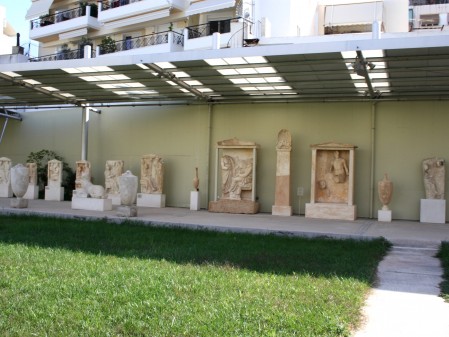
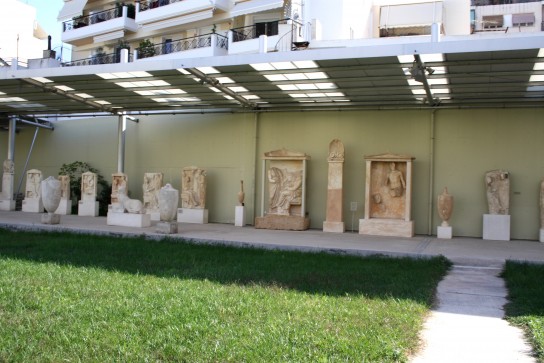
- Piraeus Archaeology Museum with fascinating artifacts from Piraeus and Attika from the ancient Mycenae period up to the Roman era
- Hellenic Naval Museum, traces history of Greek Navy from ancient days to the present
- Papanikolis Submarine, built in 1925, used by Greek Navy in World War iI
- Relax at with a beverage in a Zea Marina cafe,
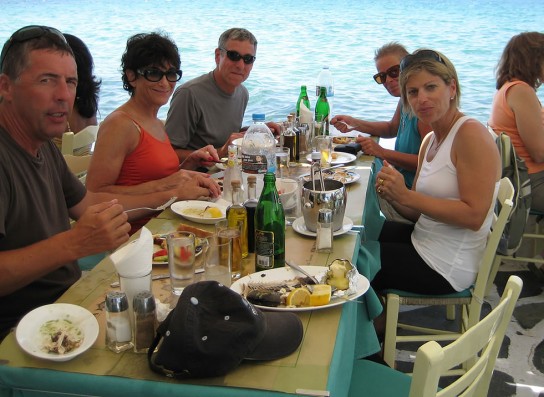
- Lunch at at a family run fresh fish taverna in Mikro Limano
- Vehicle transfer back to cruise ship port by 14:00
TOUR INCLUSIONS
- bike guide
- hybrid bike
- helmet
- water bottle
- beverage at Zea Marina cafe
- fresh fish lunch at seaside taverna (Mikro Limano)
- entry fees to museums
- vehicle support during ride, carrying water, spare bike parts, your day packs. Driver is a bike mechanic.
- vehicle transfer at end of tour back to Gate E12 at Piraeus port
RIDE INFO
The bike ride is 9.0 kilometers (5.5 miles) and its highest elevation is 116 meters (380 feet). Actual biking time is about 90 minutes.


WHEN PIRAEUS WAS PORTO LEON
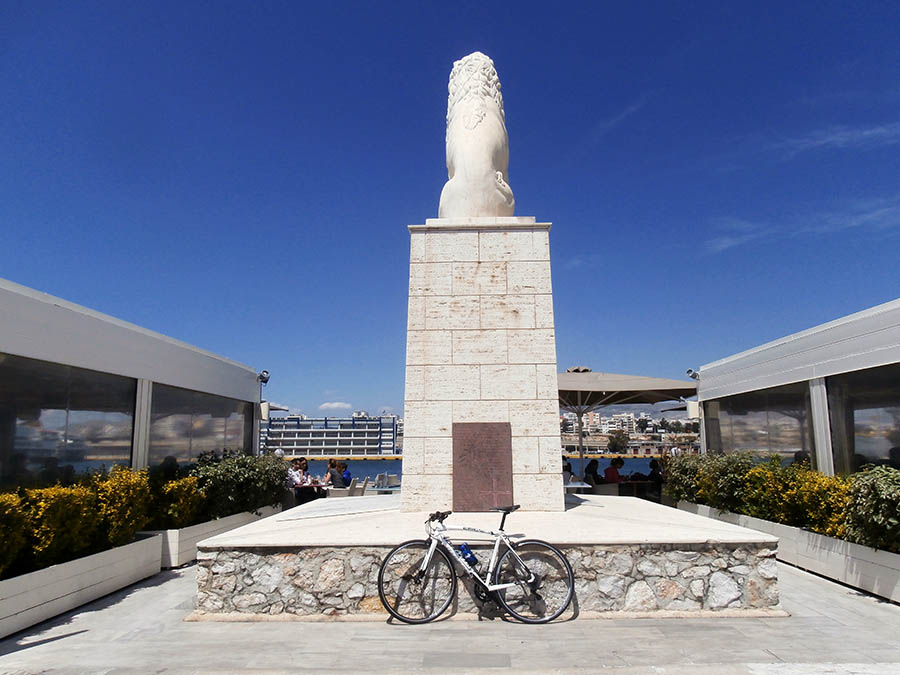
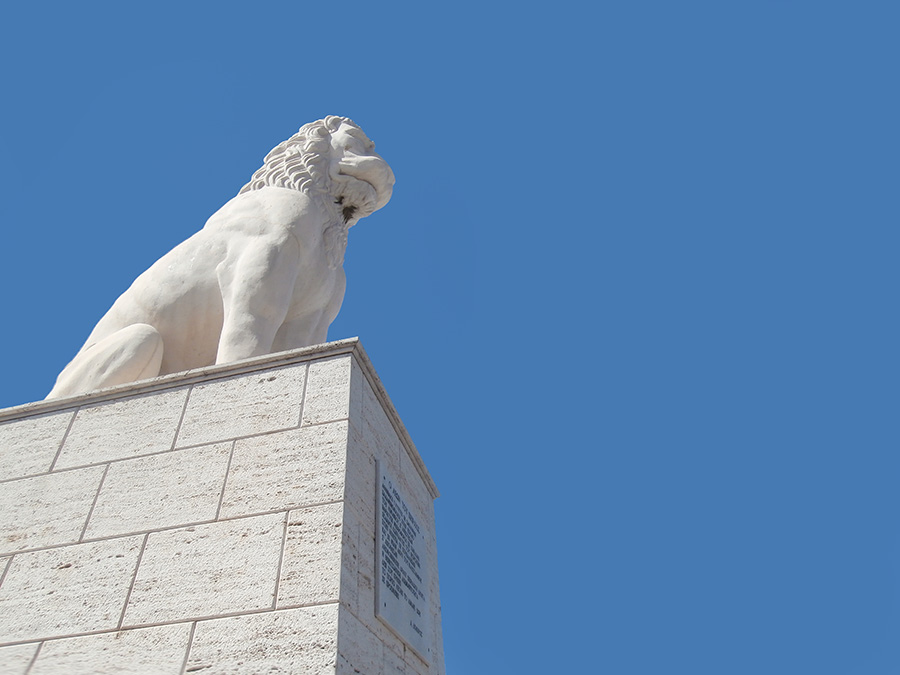
The Piraeus Lion is Piraeus’ signature landmark. The original lion was white marble and stood three meters high (nine feet). Since the 1st century AD the lion guarded the entry to Piraeus port. Water used to flow from the lion’s mouth into a cistern at its feet. The Piraeus Lion was so remarkable that in 1317 the Venetians renamed Piraeus port Porto Leone (“Lion Port”) and the ancient name Piraeus was actually forgotten and abandoned for many years.
In 1687, Commander Francesco Morosini of the Venetian navy, stole the Piraeus Lion while trying to oust the Ottoman Empire from its occupation of Greece. The Italians hauled their war booty off to Venice. Today the Piraeus Lion sits at the Arsenale, along with three other stolen Greek lions, and these awesome lions are one of Venice’s prime tourist attractions.
Piraeus regained its ancient name in the 1820s after the Greek Revolution against the Ottomans. Copies of the Piraeus Lion are found at its original port site and at the Piraeus Archaeological Museum, both included in the bike tour. There is also a copy at the Swedish Museum of National Antiquities in Stockholm.
-
Mikro Limano
-
Piraeus Archaeology Museum
-
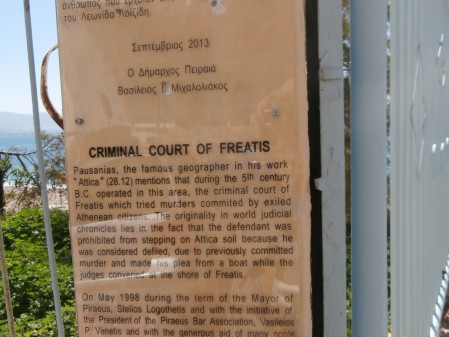
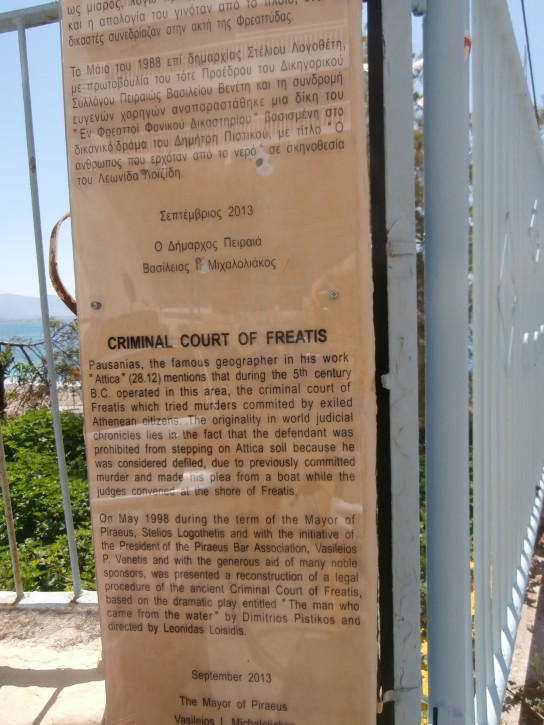
Site of ancient criminal court
-
Lunch at seaside Mikro Limano
-
Mikro Limano fish taverna
-
Zea Marina
-
Nautical Museum
-
Papanikolis Submarine
-
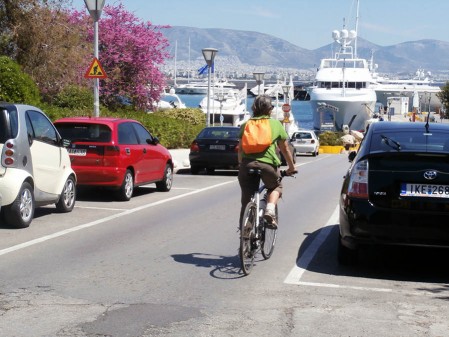
biking to Zea Marina
-
ancient Piraeus defensive walls
-
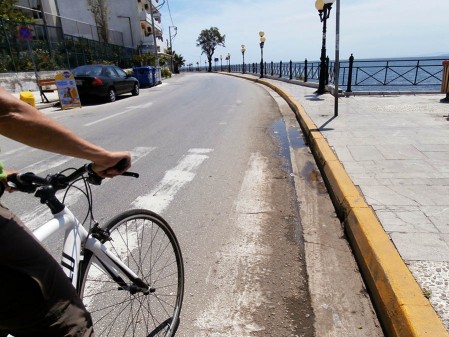
Piraeus coastal road
-
Lion of Piraeus
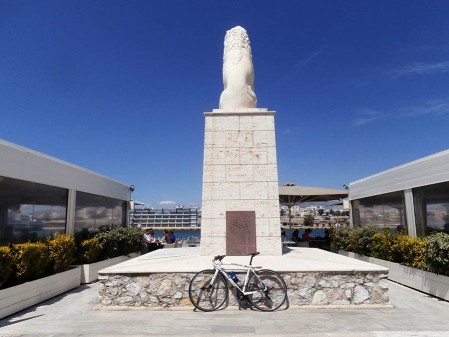
-
Lion of Piraeus
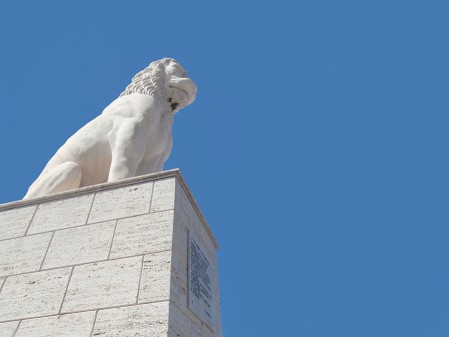
-
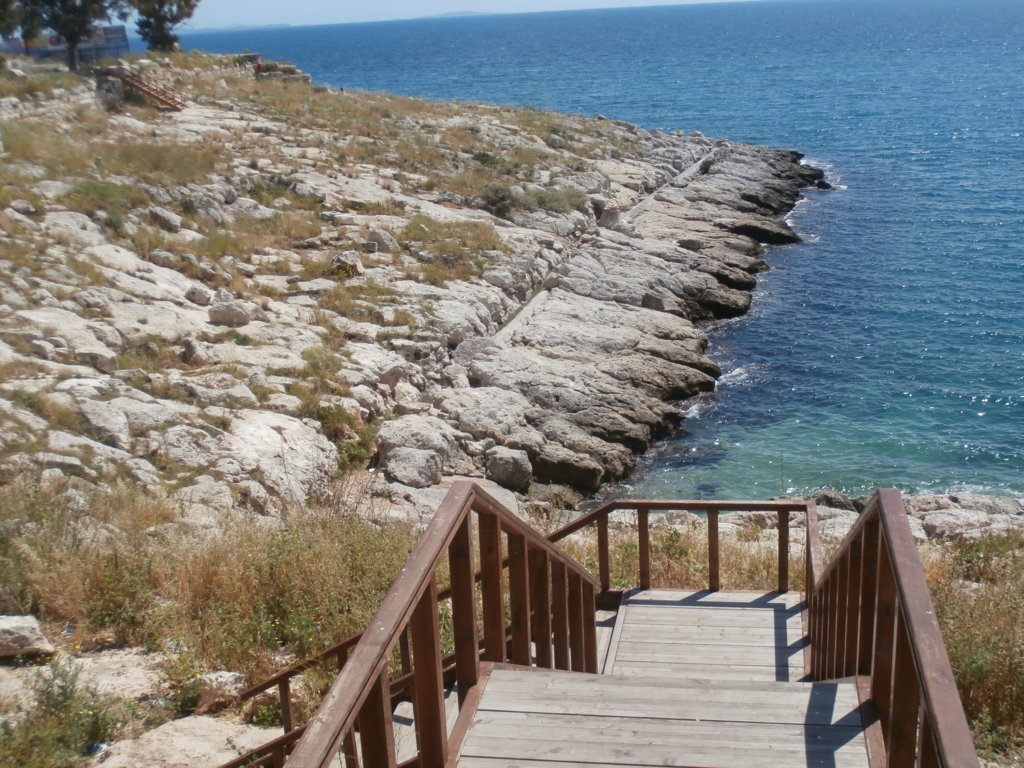
access to the shore
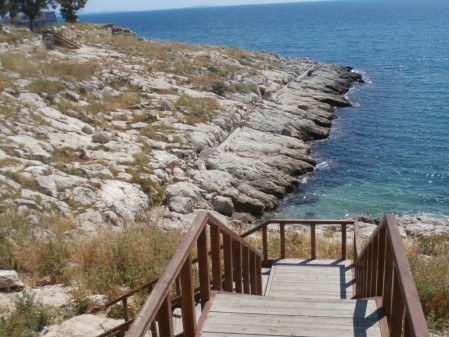
-
coastal route
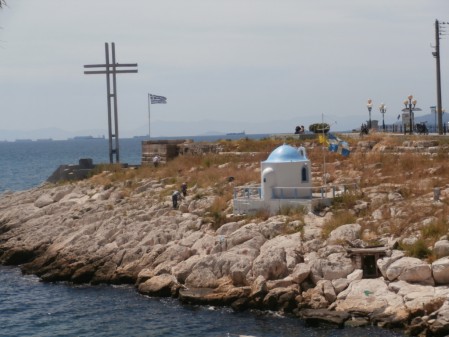



HIGHLIGHTS
- Bike along side the ancient defensive walls of Piraeus
- Visit the burial site of General Themostokles, commander of Greek fleet at Battle of Salamis
- Walk around "Papanikolis," Greece's first submarine (1927)
- Gaze up at the Porto Leon lion statue at Piraeus port
- Sit right at the sea and enjoyr a lunch of fresh fish delicacies
TAKE NOTE
- 5 hour tour
- Child Friendly
- ideal for cruise travelers
- lunch at charming marina
ECO ASPECTS
- travel by bicycle
- get off the bike and walk directly to ruins
- patronize a family run fish taverna
MAP OF TOUR

RESERVE THIS TOUR
Reservations Required.
- Email: info@ecoathens.gr
- Phone: +30 210-921-8160
- Live Chat: availability, 8:00 am to 10:00 pm Greece time, GMT + 2


